
.
.
One OEM Client’s Path to Production
CNC Machining as a Bridge
Client: Industrial manufacturer
Application: General industrial application
Material: Acetal
Quantity: 150 parts
Primary capabilities: Industrial design + CNC machining
Production stage: Pre-production field testing
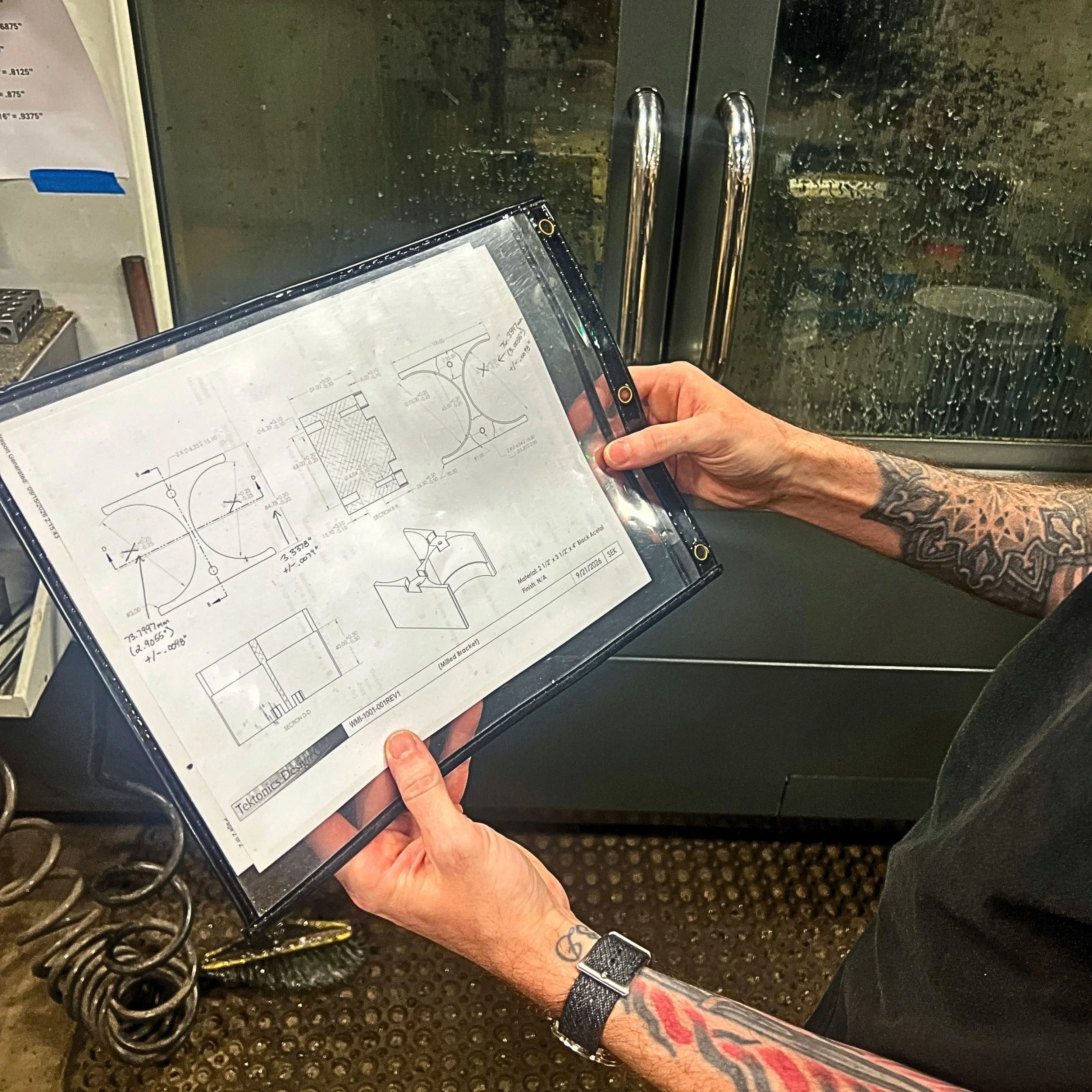
Our client, a large industrial manufacturer, needed functional components for field testing a product before making an investment in injection-molding tooling. Tektonics reviewed the client’s existing design and recommended changes to make it more efficient to CNC machine, suggested a more cost-effective material, and manufactured the initial production run on an accelerated schedule.
The Challenge
Our client came to us with technical drawings and a 3D model for a component they'd ultimately intended for plastic injection molding.
But before they invested in the production tooling that would need to do that, they wanted to produce functional parts that could be tested in the field.
Because their existing design had been developed with injection molding in mind, both the original material specification and some features of the component needed to be reconsidered for CNC machining.
Machining the parts offered an important advantage at this stage – the client could evaluate functional components before committing to an injection mold, while still keeping things flexible if field testing flagged a need to refine the design.
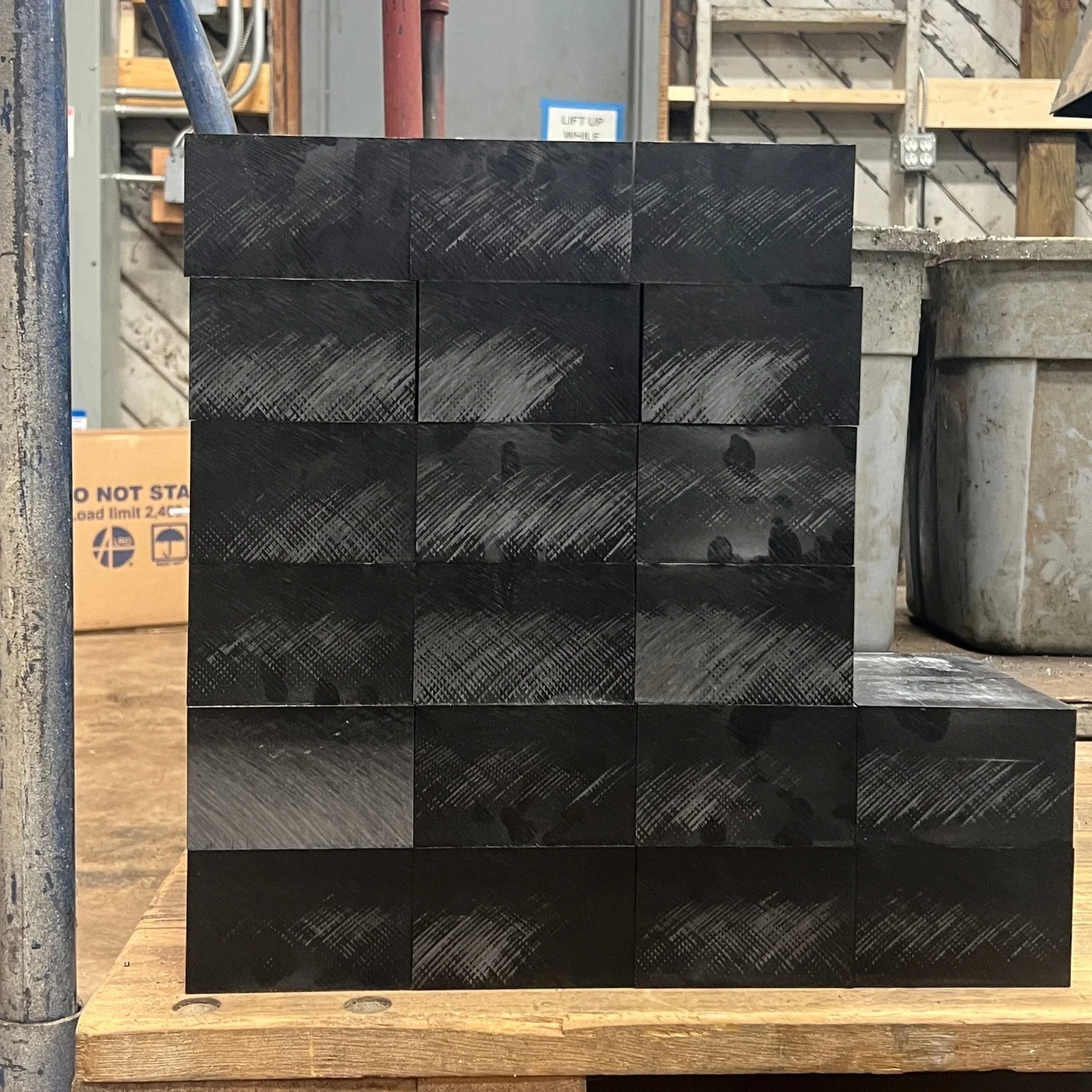
Acetal blanks
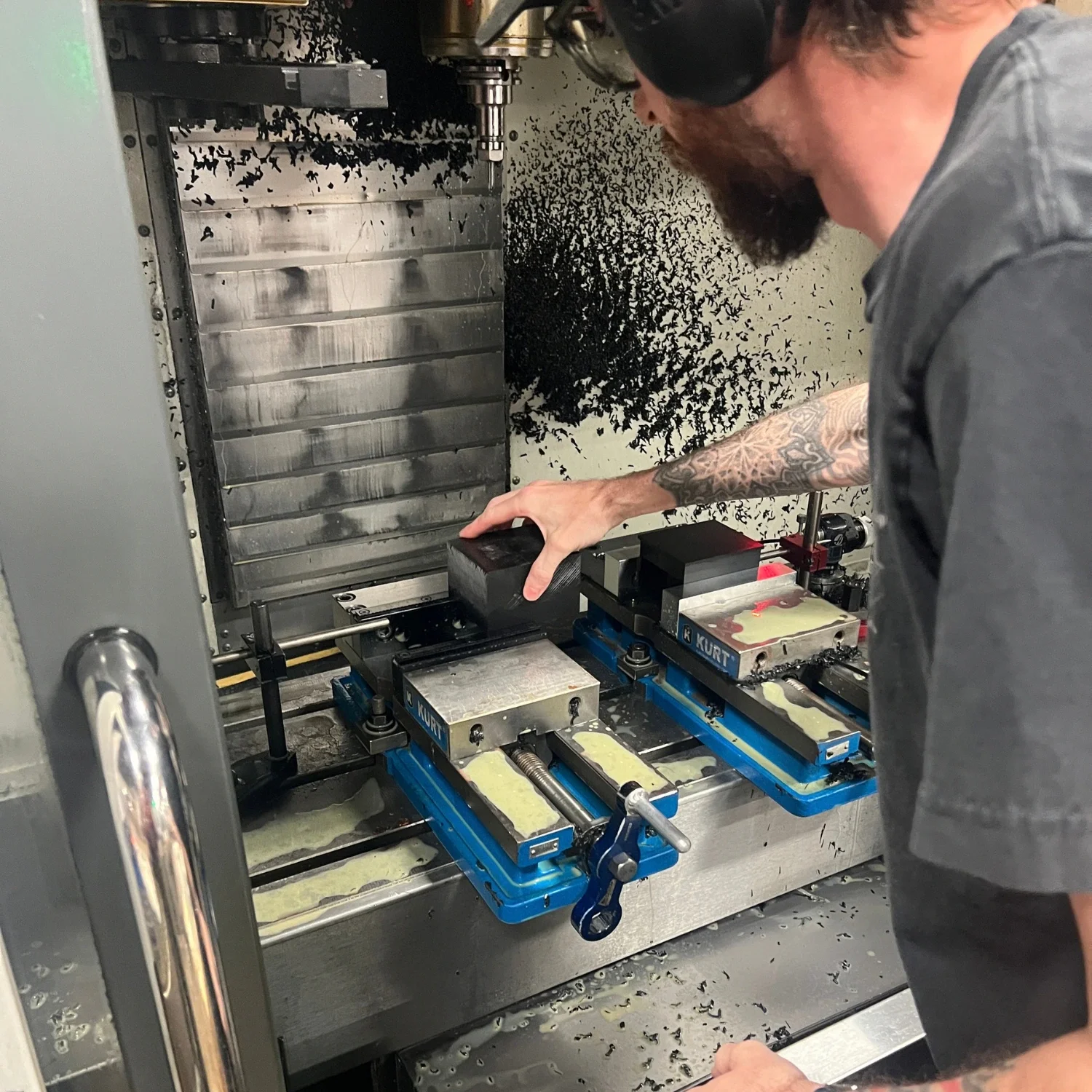
The first operation
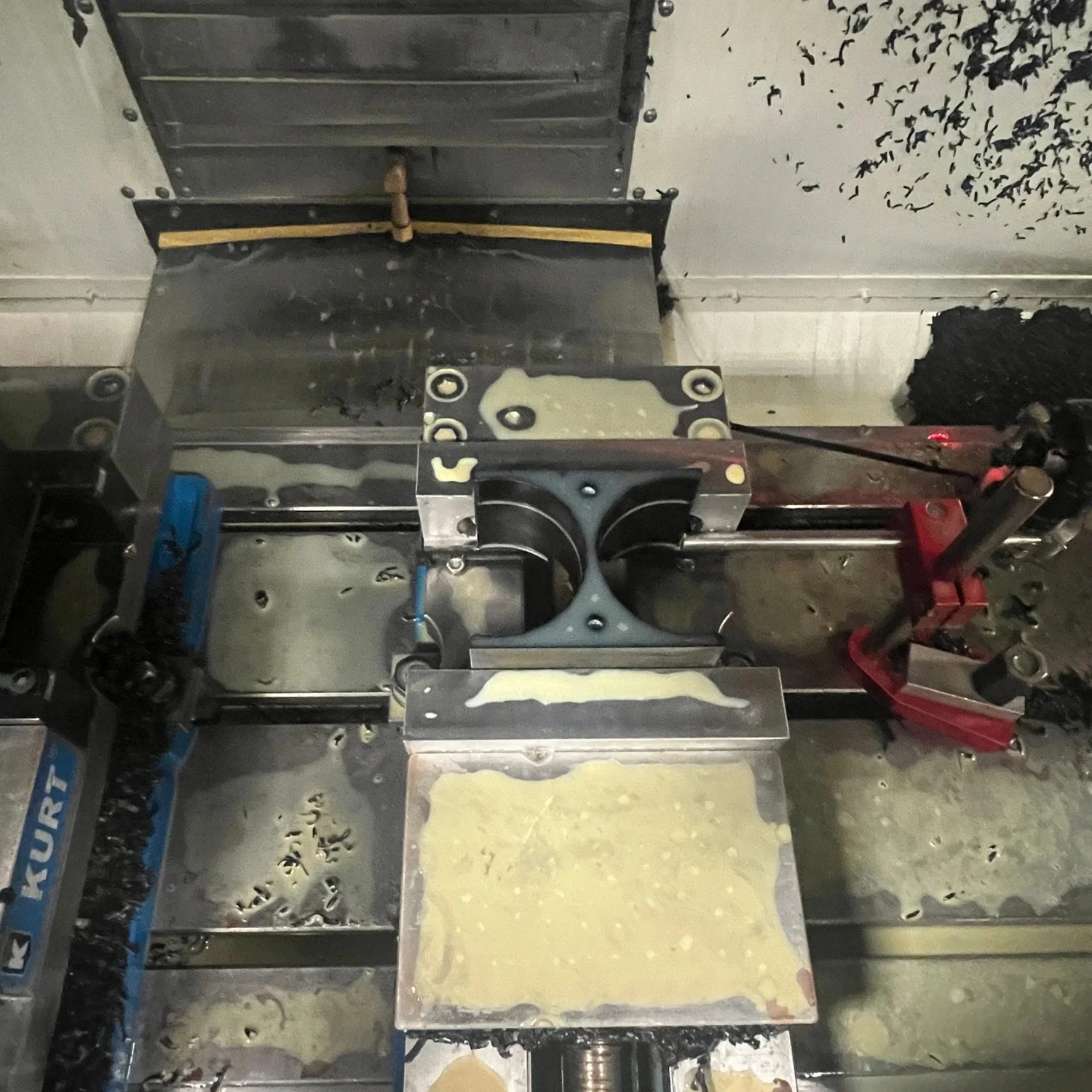
The second operation
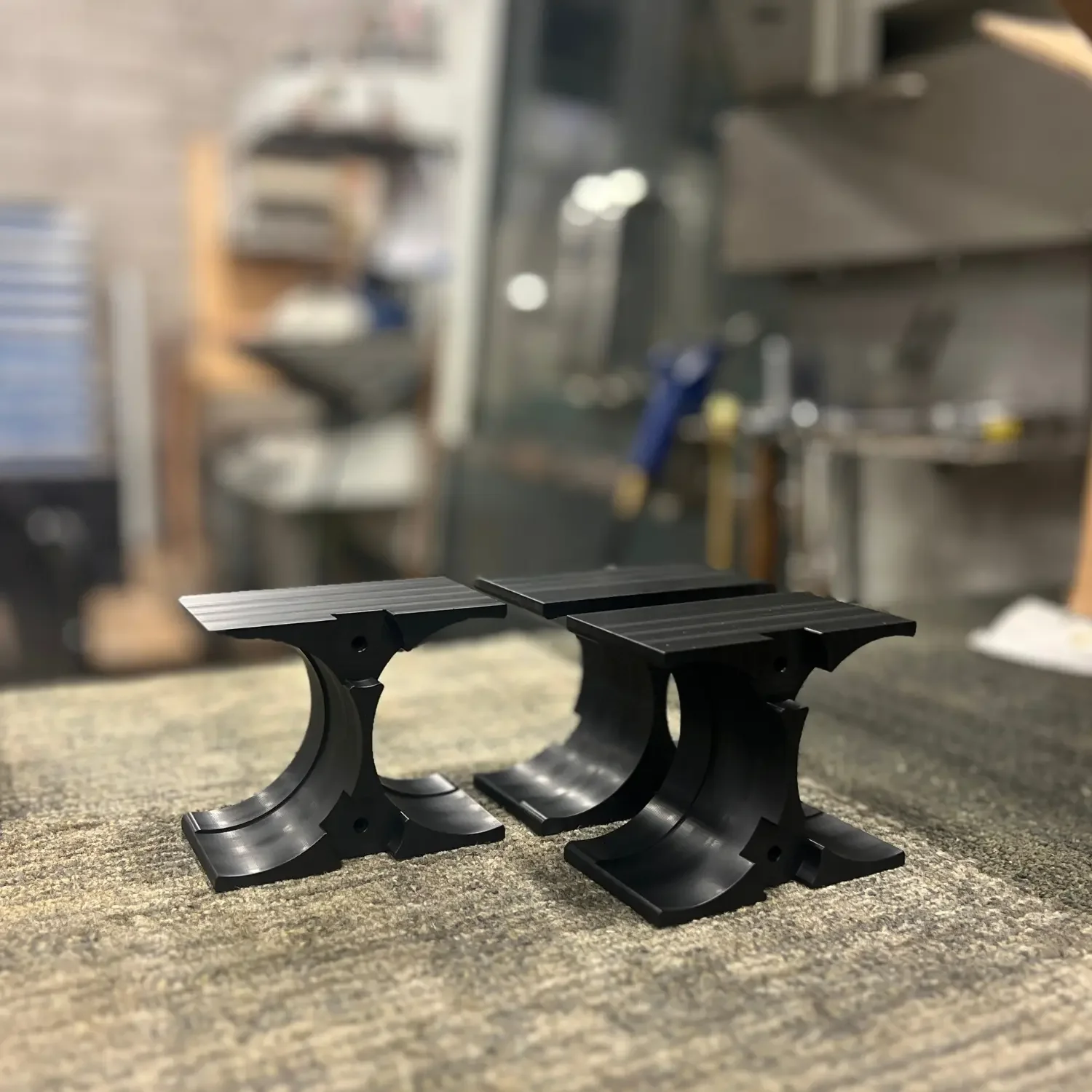
Completed parts
The Approach
Adapting the design and material for CNC machining
The original design called for fiberglass, a material our shop doesn’t machine. Type 1 PVC was also considered, but the cost was a concern, so the client decided against it.
Our industrial design team recommended acetal, a dense, impact-resistant engineering plastic that we regularly machine and understand well. After reviewing the material specs, the client approved the substitution, which reduced material cost for the initial production run.
We also reviewed the part's geometry with the temporary manufacturing process in mind. The original design had some relief features and draft angles that, while making sense for injection molding, would have added extra cost and complexity to CNC machining.
Our industrial designers recommended changes to make the part more efficient to machine while preserving the intent of the design. The client incorporated those changes into their 3D model before returning it to us for production.
Machining the initial production run
Tektonics machined 150 acetal components on a Haas VF-2 in two operations.
Each part started out as a rectangular acetal blank. The first machining operation established precise surfaces that could then be used to hold and locate the part for the second operation.
In the second op, a large amount of material was removed from each blank, and two cavities in the part needed to stay aligned. Careful CNC machining and workholding kept those cavities lined up while preventing the acetal from deforming as material was removed.
Our production pace was also important to the client. Tektonics planned production around their delivery requirements, choosing a material supplier based on availability and prioritizing the job internally so that finished parts could start moving to the client while the rest of the run was still in production.
Capabilities demonstrated: Industrial design / DFM · CNC machining · Plastic machining · Material & process consultation
CNC machining gave the client functional parts that could be evaluated in the field before the company committed to injection-molding tooling.
It also preserved our client's flexibility at this stage of development. If field testing revealed that their part's geometry needed to change, the CNC-machined design could be modified without first having to go back and revise an injection mold.
For this project, CNC machining wasn't intended to replace injection molding as the long-term manufacturing process. But it provided the right manufacturing solution for the stage the product was actually in, letting the client test functional parts and refine the design if necessary before committing to fully resolved production tooling.
The Outcome
When CNC Machining Can Support a Path to Production
CNC machining can be a useful bridge when a part is ultimately intended for another production process, but the design still needs to be tested or refined before committing to tooling. It allows OEM teams to work with functional parts while retaining more flexibility to make changes.
Have a component that's not quite ready for its final production process?
We work with clients to review designs, materials and manufacturing options before moving into repeat production.